The current conflict involving Iran is no longer just an energy story, it is quickly becoming a freight story, and from there, a food pricing story.
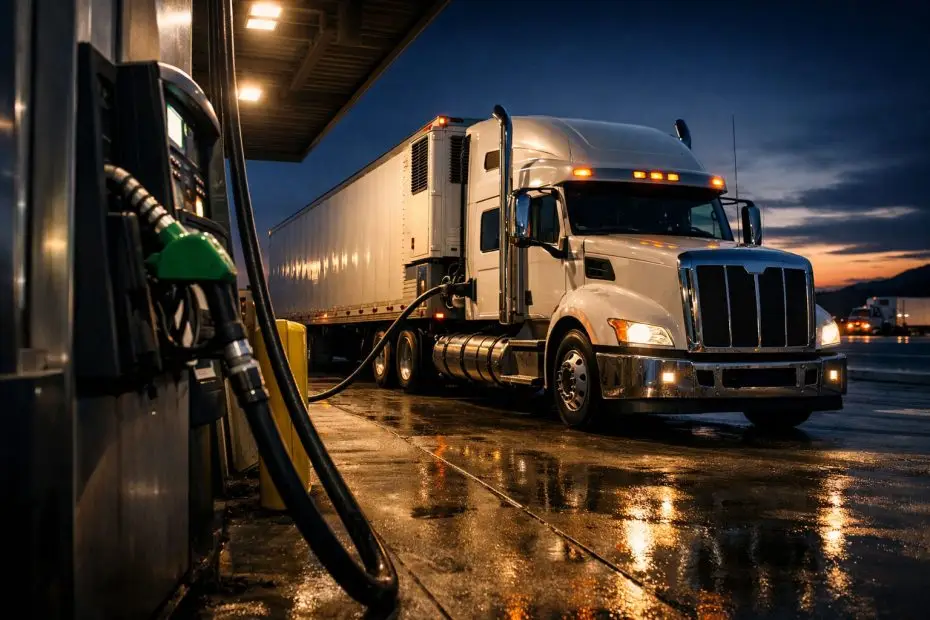
As oil and refined fuel markets react to disruption around the Strait of Hormuz, diesel has moved sharply higher. Reuters reported on 23 March that benchmark Singapore diesel swaps had climbed to just over US$180 a barrel, up from US$92.50 before the war began. In the same report, Fortescue said a 10-cent move in diesel pricing can have a A$70 million impact on its own cost base, a useful reminder of how sensitive large-scale transport operations are to fuel shocks.
For logistics operators, diesel matters more than headlines around crude alone. It is the working fuel of road freight, linehaul, refrigerated transport, yard operations, backup generation and a wide range of handling equipment across the supply chain. When diesel rises quickly, transport businesses do not always feel it in one dramatic hit. More often, it arrives through fuel levies, lane repricing, contract reviews and margin pressure that builds over weeks and months.
That is what makes this moment important for food logistics. The impact is unlikely to show up everywhere at once, but it is likely to appear progressively through the chain. Imported goods can face higher sea freight and inland transfer costs. Domestic freight can become more expensive as transport providers rebalance fuel surcharges. Temperature-controlled freight is especially exposed because refrigerated movements already carry a higher operating cost base than standard ambient freight.
Australian regulators are already watching the situation closely. The ACCC said on 20 March that petrol and diesel prices continued to rise over the previous week, although less sharply than at the start of the current Middle East conflict. It has also granted urgent interim authorisation for fuel industry participants to coordinate on managing impacts to Australia’s fuel supply chain, while separately noting that rapid price spikes and regional supply issues are affecting businesses and consumers around the country.
The next question is how that feeds into food pricing.
History suggests the pass-through is rarely instant, but it is real. The Australian Bureau of Statistics already showed road freight transport prices rising in the December 2025 quarter, citing higher fuel prices, contract reviews and labour costs. That matters because freight is embedded in nearly every part of the food system, from inbound ingredients and packaging to warehouse handling and final-mile distribution. When transport costs stay elevated long enough, they eventually become part of shelf pricing.
There is also a broader inflation risk sitting behind this. The IMF said on 19 March that prolonged increases in energy prices could lift inflation and reduce growth globally. It also warned that disrupted fertiliser shipments and transportation issues raise the risk of substantial increases in food prices, depending on how long the conflict lasts. Its rule of thumb is stark: every sustained 10% increase in energy prices can add around 40 basis points to global inflation over a year.
For the food industry, that means the next few months could look less like a sudden pricing event and more like a rolling cost squeeze. Some suppliers will absorb part of it. Some transport operators will try to protect relationships before passing costs on. Some retailers will delay movement where they can. But if diesel stays elevated, the system eventually has to rebalance.
That is why this is the time for sharper logistics planning, not reactive decision-making. Businesses moving food should be reviewing fuel exposure in carrier agreements, pressure-testing transport routes, improving load efficiency, reducing empty kilometres and tightening coordination between warehousing and delivery windows. In a high-diesel environment, operational discipline becomes commercial protection.
The businesses that handle this best over the coming months will not necessarily be the ones with the cheapest freight. They will be the ones with the best visibility, the strongest planning discipline and the ability to move product efficiently even as cost conditions change.
For food logistics, diesel is no longer just another input cost. It is becoming one of the clearest indicators of where pricing pressure may land next.