Agentic workflows are quickly becoming one of the most discussed shifts in supply chain technology — and for good reason. In food logistics, where timing, temperature control and traceability are non-negotiable, systems that can actively make decisions (not just report data) are beginning to reshape how operations run day to day.
Unlike traditional automation, which follows fixed rules, agentic workflows use AI-driven systems that can monitor conditions, evaluate multiple variables and trigger actions autonomously. In a food logistics context, that might mean dynamically re-routing a temperature-sensitive shipment due to traffic congestion, automatically escalating a cold chain breach before product loss occurs, or prioritising loading schedules based on real-time demand signals from retail.
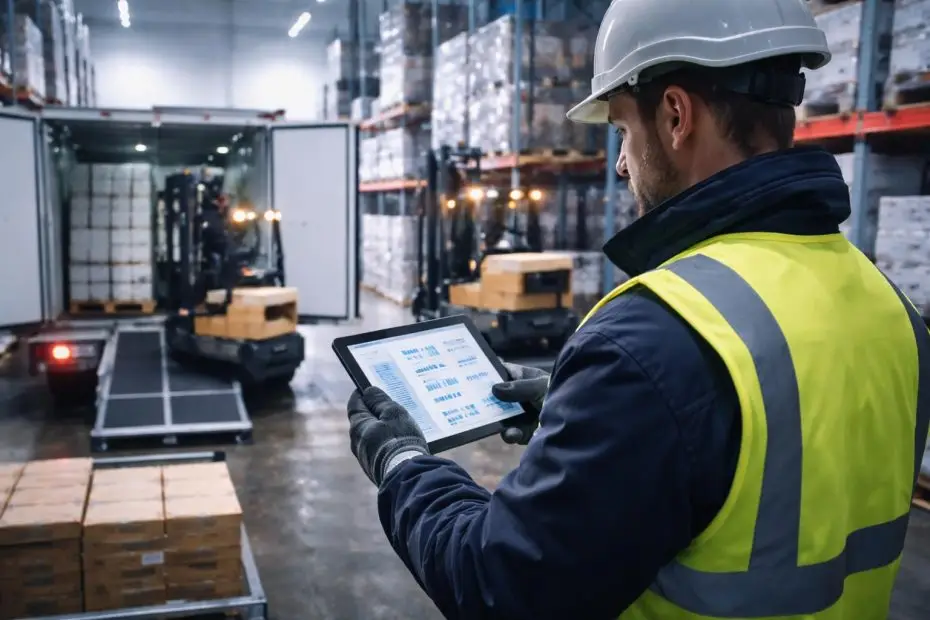
For distribution centres and cold storage facilities, the impact is practical. An agentic system can monitor inbound volumes, labour availability, dock scheduling and outbound deadlines simultaneously. Rather than relying on manual oversight to identify bottlenecks, the system flags issues and proposes optimised sequencing — sometimes even adjusting workflows without waiting for human instruction.
The result is greater operational resilience. During peak seasons or unexpected disruptions, decision-making speed becomes critical. Agentic workflows compress reaction time. They reduce reliance on reactive firefighting and instead move operations toward predictive, adaptive management.
However, there is a critical point often missed in the discussion: agentic does not mean autonomous in isolation.
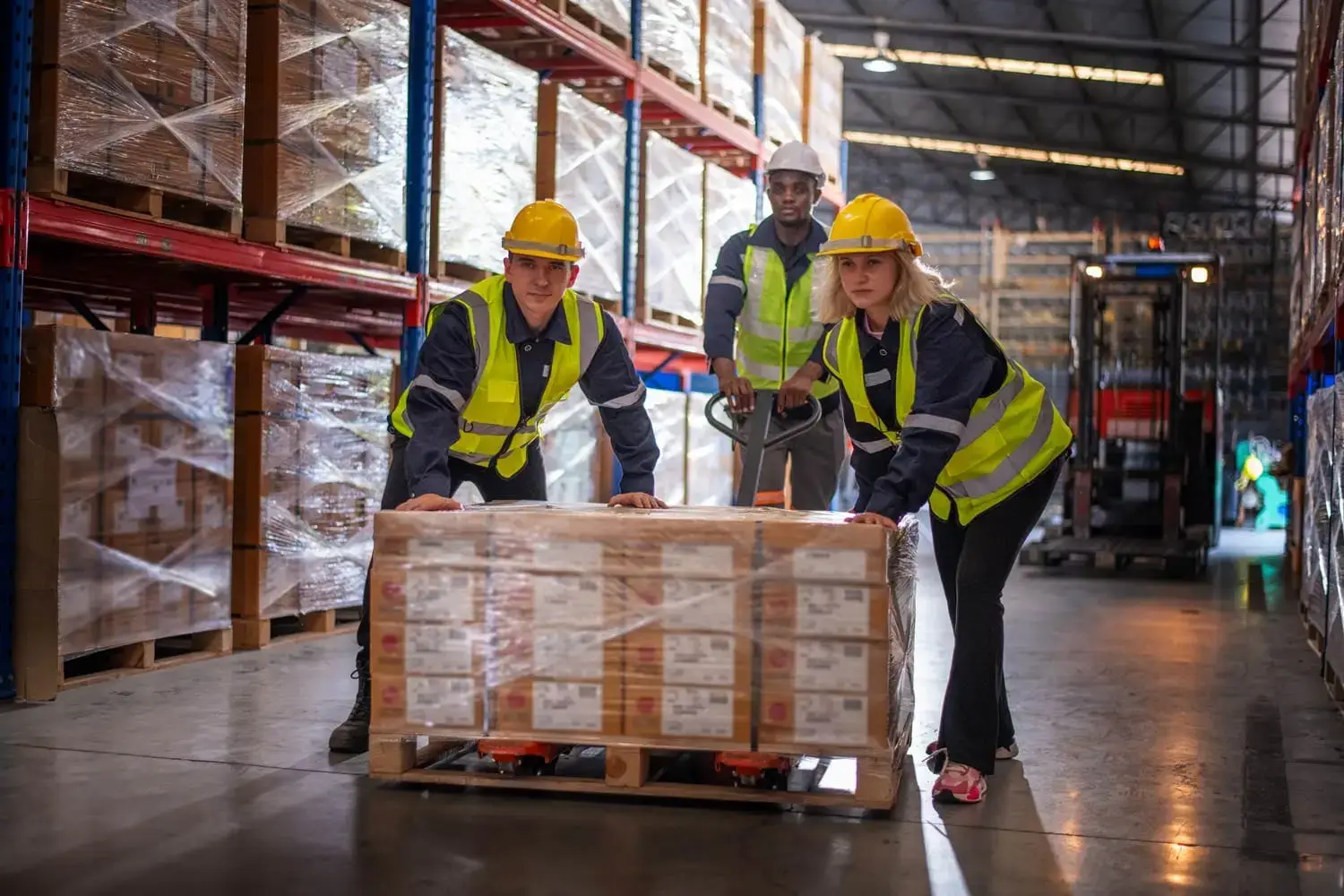
Food logistics is a human industry. It operates in complex physical environments — loading docks, cold rooms, transport yards — where nuance, judgement and accountability matter. No AI system replaces the warehouse supervisor who knows the subtle risks of stacking patterns, or the transport manager who understands customer expectations beyond what data can express.
Human labour and structured workflows remain foundational.
Well-trained teams provide context. They understand supplier relationships, compliance obligations, and the operational reality behind the data. They spot anomalies that systems may not yet recognise. They build the culture of accountability that ensures procedures are followed, not just optimised.
The real opportunity lies in integration.
Agentic workflows should enhance human capability, not displace it. By handling repetitive monitoring tasks, analysing complex data streams and surfacing high-risk scenarios early, these systems allow teams to focus on higher-value decisions: quality control, strategic planning, customer communication and continuous improvement.
In cold chain logistics particularly, this partnership becomes powerful. Imagine a system that automatically flags temperature drift risk across multiple shipments — while your operations team determines root cause, implements corrective action and communicates transparently with clients. Technology handles speed; people handle trust.
For food logistics providers looking ahead, the question is not whether agentic workflows will emerge — they already are. The question is how to deploy them responsibly. That means investing in digital infrastructure while simultaneously investing in workforce training. It means redesigning processes to integrate intelligent systems, without undermining the expertise that built the operation in the first place.
At its best, agentic workflow design creates a more stable, responsive supply chain. It reduces waste, protects product integrity and supports margin preservation in an industry where small inefficiencies compound quickly.
But it succeeds only when paired with strong human leadership.
In food logistics, technology will continue to evolve. The operators who lead will be those who understand that resilience comes from both intelligent systems and intelligent people working together.